
How Rising Education Costs Are Putting School Out of Reach for Nigerian Children
How Rising Education Costs Are Putting School Out of Reach for Nigerian Children

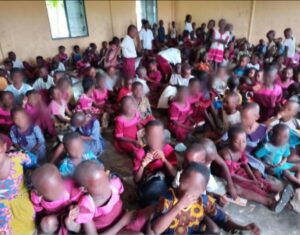
Education is widely recognized as one of the most effective tools for breaking the cycle of poverty and creating opportunities for future generations. Yet, for many Nigerian families, keeping children in school has become increasingly difficult as the cost of education continues to climb. From tuition fees to textbooks, uniforms, transportation, and other school-related expenses, the financial burden has grown beyond the reach of countless households.
As living costs continue to rise, more children are at risk of missing out on the education they need to build a better future.
Education Is Becoming More Expensive
The cost of schooling has increased steadily in recent years. Both public and private institutions have adjusted their fees to cope with higher operating expenses, including inflation, rising utility bills, maintenance costs, and staff salaries.
Parents are now spending significantly more on essential items such as uniforms, exercise books, examination fees, school bags, transportation, and digital learning resources. For families with several children, these combined expenses can place enormous pressure on already limited incomes.
Families Are Feeling the Financial Strain
Many parents now face difficult choices as they try to balance household needs with the cost of educating their children. Some take out loans, work multiple jobs, or cut back on other necessities to pay school fees. Others struggle to make payments on time, resulting in children being sent home until outstanding fees are cleared.
For lower-income households, the situation can be even more severe. Some parents are forced to withdraw their children from school altogether, limiting their chances of achieving a better future and widening the gap between children from wealthy and disadvantaged backgrounds.
The Long-Term Consequences for Children
When children are unable to attend school because of financial hardship, the effects often extend far beyond the classroom. Many become vulnerable to child labor, early marriage, street hawking, and other forms of exploitation.
Interrupted education can also reduce future employment opportunities, lower earning potential, and increase the likelihood of remaining trapped in poverty. Every child who leaves school because of financial barriers represents a loss not only for their family but also for the country’s future development.
Public Schools Face Their Own Challenges
Although public schools remain the most affordable option for many families, they continue to struggle with overcrowded classrooms, aging infrastructure, inadequate teaching materials, and shortages of qualified teachers.
As a result, some parents choose private schools in search of better educational standards, despite the significantly higher costs involved. This creates a difficult situation where families must choose between affordability and perceived quality.
Inflation Is Worsening the Situation
Nigeria’s economic challenges have made education even more expensive. Rising prices for books, stationery, transportation, electricity, and food have increased the cost of running schools, leading many institutions to raise fees.
While schools argue that these increases are necessary to maintain standards, many families find it increasingly difficult to keep pace with the rising financial demands.
Why Affordable Education Matters
Ensuring children have access to quality education benefits not only individuals but also society as a whole. A well-educated population contributes to economic growth, innovation, improved healthcare, and stronger communities.
When large numbers of children are excluded from education because of cost, the country risks increasing inequality, slowing economic progress, and limiting opportunities for future generations.
Finding Practical Solutions
Addressing the rising cost of education requires a collaborative effort involving government, schools, communities, and private organizations.
Possible steps include:
Increasing funding for public education.
Expanding scholarship and financial aid programs.
Providing subsidized textbooks and learning materials.
Improving public school facilities and teacher training.
Supporting vulnerable families through targeted social assistance.
Encouraging partnerships between government and the private sector to improve access to education.
These measures can help reduce financial barriers and keep more children in school.
Communities Can Make a Difference
Beyond government action, local communities, charities, businesses, and religious organizations also have an important role to play. Sponsoring students, donating educational supplies, and supporting community-based learning initiatives can help children from disadvantaged families continue their education.
Small contributions from many stakeholders can have a meaningful impact on access to learning.
Conclusion
The increasing cost of education is making it harder for many Nigerian families to provide their children with the opportunities they deserve. If this trend continues, more children may be denied the chance to complete their education, with lasting consequences for the country’s social and economic development.
Keeping education affordable should remain a national priority. Through stronger investment, targeted support, and collective action, Nigeria can ensure that financial hardship does not become a barrier to learning. Every child deserves the opportunity to receive a quality education, regardless of their family’s income, because investing in children today is an investment in the nation’s future.