
Government Alone Can’t Fund Education — Uba Sani

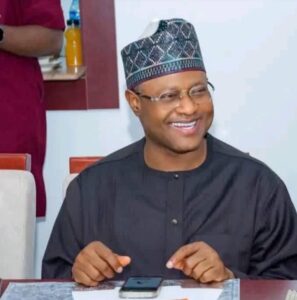
Governor Uba Sani of Kaduna State has stated that relying solely on government funding is not enough to properly support and grow Nigeria’s education sector. His comments add to ongoing discussions about how to finance education amid rising enrolment, infrastructure shortages, and limited public budgets.
Challenges of relying only on public funds
He noted that the demands of Nigeria’s education system are far greater than what government resources can fully cover. Many schools continue to face issues such as overcrowded classrooms, poor infrastructure, lack of learning materials, and insufficient teaching staff.
Because government budgets must also address other critical sectors like security, healthcare, and infrastructure, education funding often falls short of what is needed for real improvement.
The role of private and external support
Uba Sani supports the idea that improving education requires contributions beyond government spending. He points to the importance of involving:
- Private sector organizations
- Non-governmental organizations
- Development partners
- Community initiatives
These groups can assist by investing in infrastructure, supporting scholarships, and introducing new educational tools and innovations.
Building effective partnerships
The approach is not about replacing government responsibility but strengthening collaboration. While the government sets policies and ensures equal access, private stakeholders can help close financial and resource gaps.
This cooperation can result in:
- Better school facilities
- Improved teacher training
- Increased access to digital learning
- More scholarship opportunities for students
Ensuring fairness in education
Although private involvement can improve resources, there is also the need to protect equality. Experts often caution that partnerships should not create gaps between privileged and underprivileged learners.
In this view, government must continue to regulate the system to ensure fairness while encouraging external support.
Wider issues in the education sector
Nigeria’s education system continues to struggle with growing student populations and limited infrastructure capacity. Schools and universities are under pressure, making it difficult for government alone to meet rising demands.
This has led to increasing calls for more sustainable and diverse funding models.
Conclusion
Uba Sani’s position highlights the need for shared responsibility in education funding. While government remains central to policy and access, long-term improvement depends on cooperation between public institutions, private investors, and other stakeholders.