Building Classrooms of Hope: Shaping the Future of Children Through Education
Building Classrooms of Hope: Shaping the Future of Children Through Education

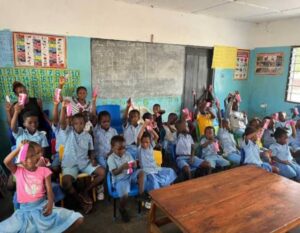
Education is often seen as a gateway to a brighter future, particularly for children who face poverty, conflict, and social inequality. Classrooms of hope go beyond being just physical spaces; they symbolize opportunities for growth, resilience, and the chance to break free from the cycles of poverty and discrimination. By creating these classrooms, we are offering a chance to change lives and pave the way for a better future.
Education: A Catalyst for Change
For children in disadvantaged or conflict-affected regions, education offers the best chance to escape poverty and build a better life. According to UNICEF, education plays a critical role in breaking the poverty cycle, giving children the skills to secure jobs, improve their communities, and lead healthier lives. In areas where education is scarce, attending school can be a life altering experience that opens doors to personal and professional development.
Classrooms, in this context, are not merely structures but represent spaces of transformation. From rural villages to urban centers or refugee camps, the opportunity to attend school allows children to learn, socialize, and empower themselves for the future. Each classroom built for these children serves as a tangible commitment to improving their lives.
Education as a Tool for Equality
One of the most significant impacts of education is its ability to break down barriers like gender inequality, disability, and socioeconomic class. In many parts of the world, girls face particular challenges in accessing education, often leading to early marriages, teen pregnancies, and a lifetime of poverty.
By supporting inclusive education, we ensure that every child, regardless of their background, has the opportunity to learn and succeed. Programs aimed at educating girls, children with disabilities, and those from marginalized communities are essential to creating more equal societies. Education, therefore, serves not only as a personal opportunity but as a force for social justice and empowerment for all children.
Global Efforts to Build Classrooms of Hope
Around the world, various organizations and governments are working tirelessly to build classrooms of hope, both literally and figuratively. From makeshift classrooms in refugee camps to modern schools in underserved regions, efforts are underway to ensure every child has access to education.
NGOs like Save the Children, UNICEF, and Room to Read have been instrumental in constructing schools in remote areas, distributing educational materials, and training teachers to offer high quality education. These organizations focus not only on the physical structures but also on creating safe, inclusive environments where children feel valued and inspired.
A classroom of hope is more than just a place to learn it is a space for creativity, curiosity, and growth. With access to educational tools such as books, computers, and the internet, children can explore new ideas, dream big, and transform their future.
Challenges to Overcome
Despite the progress being made, significant challenges remain. Millions of children still lack access to quality education due to poverty, displacement, gender biases, and limited resources. In many conflict zones or refugee camps, the absence of schools is a stark reality, and the consequences of missing out on education are long lasting, hindering a child’s ability to build a successful life.
Moreover, quality remains a concern. Even when schools are available, issues like overcrowded classrooms, undertrained teachers, and outdated curricula can limit the learning experience. The focus, therefore, must not only be on increasing the number of classrooms but also ensuring that these spaces provide high quality education that is engaging and inclusive for all students.
Investing in Education for a Better Future
To ensure every child has access to education, collaborative efforts from governments, NGOs, and the private sector are essential. Investing in classrooms of hope means creating safe, accessible, and supportive spaces where children can learn and grow. It also means providing resources like textbooks, digital learning tools, and training teachers to deliver high quality lessons.
Investing in education is not only a moral responsibility but also an economic imperative. Countries with higher literacy rates and more robust educational systems tend to have stronger economies and more skilled workforces. Thus, every investment in education is an investment in both individual futures and global prosperity.
Building classrooms of hope is a powerful way to change the world. When children are given the opportunity to learn, grow, and develop their potential, they not only transform their own lives but also contribute to the well being of their families and communities. By investing in education today, we are building a brighter future for tomorrow one where every child has the chance to live up to their full potential.