
Early Childhood Education: A Crucial Solution to the Out-of-School Problem
Early Childhood Education: A Crucial Solution to the Out-of-School Problem

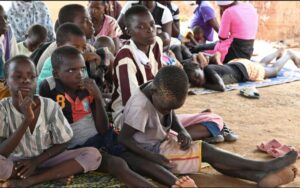
Early childhood education is widely viewed as an important strategy for reducing the number of children who are not in school. Education specialists believe that strong learning experiences in the early years can improve school readiness, reduce dropout rates, and enhance long-term academic success.
Importance of Early Learning
Early childhood education covers structured learning before children enter primary school. This stage is vital because it supports the development of thinking, communication, and social skills.
Children who attend early learning programs are more likely to:
- Understand basic reading and counting skills
- Adapt easily to formal schooling
- Build confidence and interaction skills
- Remain in school longer
These early advantages help them cope better with future academic demands.
Connection to Out-of-School Children
A major reason many children leave school early is inadequate preparation before entering primary education. Without early learning exposure, some children struggle to keep up once formal schooling begins.
This can result in:
- Poor academic progress
- Low interest in schooling
- Increased risk of dropping out in early grades
Early childhood education helps bridge this gap by preparing children for the classroom environment.
Wider Social and Economic Impact
Beyond education, early learning also contributes to social development and economic growth. It helps reduce inequality by giving all children, especially those from disadvantaged backgrounds, a fairer start in life.
Long-term benefits include:
- Better educational achievement
- Improved employment opportunities later in life
- Reduced poverty levels
- Stronger national development outcomes
Improving School Enrollment and Retention
Out-of-school challenges are often linked to poverty, lack of access, and limited awareness of education’s value. Early childhood programs can help address these issues by:
- Preparing children for formal schooling
- Supporting parents in early education practices
- Identifying learning challenges early
- Promoting inclusive access to education
Role of Governments and Communities
Experts stress that solving the out-of-school problem requires joint efforts from governments, communities, and education partners.
Important measures include:
- Expanding access to early learning centers
- Training qualified early childhood educators
- Increasing funding for early education programs
- Creating awareness about its importance among parents
Community participation is also essential for encouraging school attendance and retention.
Ongoing Challenges
Despite its importance, early childhood education still faces several obstacles, such as:
- Limited funding
- Shortage of trained teachers
- Poor infrastructure, especially in rural areas
- Unequal access for low-income families
Overcoming these challenges is necessary to improve education outcomes.
Conclusion
Early childhood education plays a key role in addressing the problem of out-of-school children. By giving children a strong foundation at an early age, it improves their ability to succeed in school and reduces the likelihood of dropping out. Strengthening this sector is essential for building a more inclusive and educated society.