
The Advantages of Storytelling in Primary Education

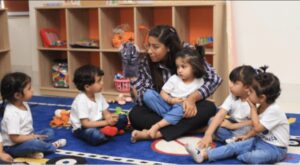
Storytelling is one of the oldest and most effective teaching methods. In primary schools, it does much more than entertain; it plays a crucial role in developing children’s cognitive, emotional, and social skills. Below are some of the main benefits of using storytelling in the classroom.
1. Boosts Language and Literacy Development
Hearing stories introduces children to new vocabulary, varied sentence patterns, and the natural flow of language. Listening helps them improve comprehension, pronunciation, and grammar. Retelling stories, either verbally or in writing, gives students a chance to practice and strengthen their literacy skills in an enjoyable way.
2. Sparks Imagination and Creativity
Stories take children to different worlds, introduce them to interesting characters, and present imaginative situations. This encourages creative thinking, problem solving, and the ability to picture possibilities beyond their immediate surroundings. Asking children to create their own stories further develops originality and an understanding of narrative structure.
3. Supports Emotional and Social Growth
Stories often explore feelings, moral questions, and cultural lessons, helping children understand and manage their own emotions. By relating to characters, students learn empathy, teamwork, and ways to resolve conflicts. Storytelling also provides a safe space to discuss sensitive topics, supporting social and emotional learning.
4. Enhances Memory and Concentration
Following a story requires attention, which strengthens memory and focus. Activities like recalling events, putting story sequences in order, or predicting outcomes boost cognitive skills and improve information retention skills essential for learning across all subjects.
5. Promotes Cultural Awareness and Diversity
Stories from different cultures introduce children to new traditions, languages, and perspectives. This encourages respect for diversity and broadens their understanding of the world. Storytelling also preserves cultural heritage, helping children connect with both their own and other cultures.
6. Builds Confidence and Communication Skills
Participating in storytelling whether listening, performing, or creating stories helps children express themselves clearly and confidently. Strong communication skills are vital for academic success and social interaction, and storytelling provides a supportive environment for developing these abilities.
Conclusion
Incorporating storytelling in primary education goes beyond amusementit strengthens language, imagination, emotional intelligence, memory, and cultural understanding. By using storytelling, teachers can create an engaging, well-rounded learning experience that lays the foundation for lifelong learning.