
The Importance of Extracurricular Activities in Primary Education
The Importance of Extracurricular Activities in Primary Education

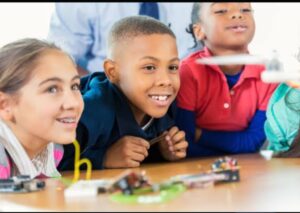
Primary education is not only about learning subjects like reading, math, and science it also lays the groundwork for a child’s overall development. Beyond the classroom, extracurricular activities play a crucial role in shaping well rounded young learners. Activities such as sports, music, art, drama, and community projects provide children with opportunities to explore interests, build social skills, and develop essential life skills.
1. Supporting Well Rounded Growth
Extracurricular activities contribute to a child’s physical, emotional, social, and mental development. Sports improve fitness, coordination, and teamwork, while creative pursuits like painting, music, and drama stimulate imagination and self expression. These experiences help children grow into balanced individuals capable of handling challenges in various areas of life.
2. Developing Social Abilities
The primary school years are important for social growth. Extracurricular programs allow children to interact with peers and adults outside the classroom. Group activities, team games, and clubs teach cooperation, communication, and problem solving skills. These social interactions boost confidence, empathy, and the ability to build positive relationships.
3. Supporting Academic Success
Far from being a distraction, extracurricular activities can enhance academic performance. Children learn discipline, time management, and goal setting through activities like practicing an instrument, rehearsing for a play, or preparing for a debate. These skills often carry over into classroom work, improving study habits and overall achievement.
4. Exploring Interests and Talents
Extracurricular programs give children a chance to discover their passions and abilities. Some may excel in sports, others in music or public speaking. Early exposure to diverse activities helps students identify what they enjoy and where their strengths lie, boosting self-confidence and guiding future interests or career paths.
5. Supporting Emotional Well-Being
Primary school can be stressful, and children benefit from healthy outlets for their energy and emotions. Physical activities release endorphins that improve mood, while creative activities provide a way to express feelings. Engaging in enjoyable extracurricular activities promotes happiness, resilience, and overall mental well-being.
6. Teaching Leadership and Collaboration
Extracurricular settings often provide leadership opportunities, such as leading a sports team or a club. These roles help children develop responsibility, decision making, and organizational skills. Working in teams teaches cooperation, respect, and collective problem solving valuable lessons for personal and future professional life.
Conclusion
Extracurricular activities are essential in primary education because they foster more than academic skills they help children grow socially, emotionally, and physically. Schools that combine classroom learning with diverse extracurricular opportunities create environments where children can thrive, discover their passions, and develop the confidence and skills needed to succeed in life.