
NGO Expands School Initiative to Shield Girls from GBV in Oyo and Ogun
NGO Expands School Initiative to Shield Girls from GBV in Oyo and Ogun

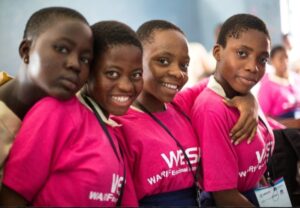
A non-governmental organisation, the Women at Risk International Foundation (WARIF), has broadened its school-focused programme aimed at safeguarding adolescent girls from sexual and gender-based violence (SGBV) in Oyo and Ogun states.
The initiative, called the Women Empowerment and Safe Spaces Programme (WESP), has been extended to four secondary schools: Fiditi Grammar School and Ilora Baptist Grammar School in Oyo State, as well as Remo Secondary School and Shagamu High School in Ogun State. The expansion was implemented with support from the Girls Opportunity Alliance (GOA).
The programme focuses on equipping girls with essential life skills, leadership training, and knowledge needed to prevent and respond to abuse. According to WARIF, the intervention has reached about 5,500 beneficiaries indirectly, while 500 girls received direct training. It has also engaged 500 parents and caregivers, along with 20 school officials.
Beyond raising awareness, the initiative promotes peer support systems within schools to encourage safe reporting and collective responsibility among students. It also strengthens the ability of parents, caregivers, and school authorities to handle and respond effectively to cases of abuse.
Gender-based violence continues to pose a serious challenge in Nigeria, particularly among school-age children, where it can affect academic performance, mental health, and general well-being. Experts stress that empowering girls with the right tools and support networks is crucial to reducing their vulnerability.
A representative of the Girls Opportunity Alliance noted that investing in girls contributes to building safer and more resilient communities, highlighting the importance of programmes that boost confidence, leadership, and access to support systems.
WARIF described the programme as an evidence-based and scalable model that addresses gaps in life skills education, school safety, and gender sensitive mentorship. Similar interventions have reportedly improved awareness, encouraged behavioural change, increased reporting, and reduced abuse in participating schools.
The expansion reflects growing efforts by NGOs, government bodies, and development partners to incorporate GBV prevention into school systems, with the aim of creating safer learning environments for girls.
Stakeholders continue to emphasise the importance of sustained collaboration, strong policy enforcement, and active community involvement to ensure lasting protection for vulnerable groups, especially young girls in schools.