
Malala Fund, Partners Call for Greater Investment in Girls’ Education
Malala Fund, Partners Call for Greater Investment in Girls’ Education

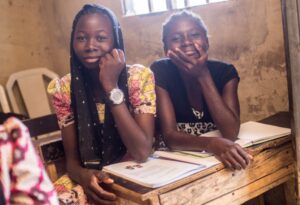
Advocacy for girls’ education is gaining stronger global attention as key stakeholders push for increased funding and commitment to close existing gaps. Leading this effort is the Malala Fund, which, together with governments, non-governmental organizations, and development partners, is urging more resources to support the education of girls, especially in less developed regions.
Education remains a vital driver of social progress and economic development. Yet, many girls worldwide continue to face obstacles that limit their access to schooling. Factors such as poverty, cultural expectations, early marriages, conflicts, and poor infrastructure contribute to this challenge. Advocates warn that without deliberate investment, millions of girls may continue to miss out on educational opportunities.
The Malala Fund has repeatedly emphasized the need for stronger financial commitments to education systems. It calls on governments to increase spending to ensure that girls have access to free, safe, and high-quality education. This includes improving school facilities, training educators, and providing adequate learning resources.
Stakeholders also highlight the importance of building environments that support girls’ continued education. Addressing issues such as unsafe school conditions, lack of proper sanitation, and limited access to digital tools is essential. These challenges are particularly significant in rural and underserved communities, where girls often struggle to remain in school.
Collaboration is another key element in advancing girls’ education. Partnerships involving international organizations and the private sector can help generate funding, introduce new ideas, and expand access to technology-driven learning. Digital tools, in particular, have the potential to reach girls in remote areas and improve learning outcomes.
Policy improvement is also central to the conversation. Advocates are calling for stronger legal frameworks that protect girls’ right to education and eliminate harmful practices like child marriage. Ensuring that such policies are properly enforced is critical to achieving lasting change.
Investing in girls’ education goes beyond equality it is a strategy for sustainable development. Educated girls are more likely to participate in the workforce, improve community health, and support the education of future generations, creating long-term benefits for society.
Although progress has been made in increasing girls’ school enrollment globally, challenges remain, especially in regions affected by instability and economic hardship. Stakeholders caution that gains could be reversed without sustained effort and investment.
In summary, the renewed call by the Malala Fund and its partners underscores the urgency of prioritizing girls’ education. With stronger funding, better policies, and collaborative action, the goal of ensuring education for every girl can become a reality.