
Girl Education in Africa: How Government Policies Are Making a Difference.
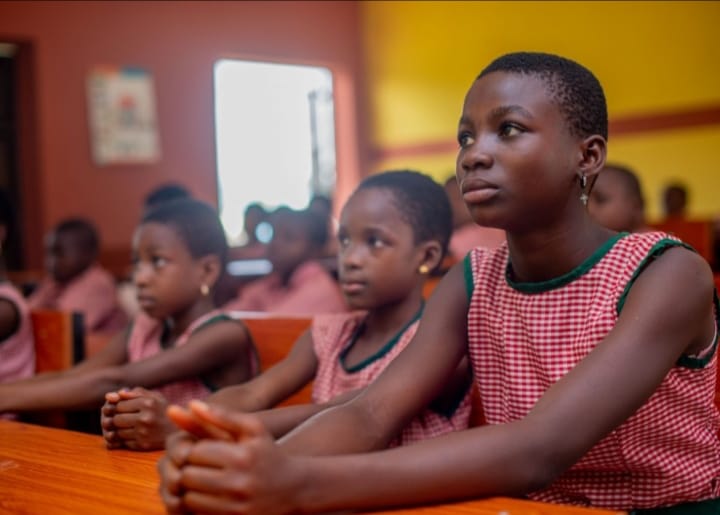
Girl Education in Africa: How Government Policies Are Making a Difference.

Across Africa, the education of girls has moved from the margins of policy debate to the center of national development strategies. Governments increasingly recognize that when girls stay in school, the benefits ripple outward: child mortality drops, family incomes rise, and economies grow more resilient. Over the past two decades, a combination of legal reforms, targeted funding, and community-based initiatives has begun to narrow the gender gap in classrooms across the continent.
One of the most visible shifts has been the removal of school fees at the primary level. In countries such as Kenya and Ghana, free primary education policies dramatically increased enrollment, particularly for girls from low-income families. When Kenya introduced free primary education in 2003, millions of children entered school for the first time, and the gender gap in early grades shrank significantly. Ghana followed a similar path, pairing fee abolition with capitation grants to schools, helping ensure that girls were not kept at home due to financial constraints.
Beyond access, governments are addressing the deeper structural barriers that keep girls out of school. In Rwanda, gender equality is embedded in national policy frameworks, influencing everything from curriculum reform to teacher training. Rwanda’s emphasis on girls’ participation in science and technology subjects reflects a broader strategy to align education with labor market opportunities. Meanwhile, Ethiopia has expanded secondary schools in rural areas and implemented gender-sensitive strategies, including recruiting more female teachers to serve as role models and mentors.
Conditional cash transfer programs and scholarship schemes are another powerful policy tool. In Nigeria, initiatives targeting girls in northern regions provide financial incentives to families who keep their daughters in school. These programs help offset opportunity costs, such as lost household labor or income, and have been linked to improved attendance and retention rates. By directly addressing poverty-related barriers, governments are making secondary education more attainable for girls.
Health and sanitation policies are also making a measurable difference. The provision of separate sanitation facilities for girls, alongside menstrual hygiene programs, has reduced absenteeism and improved dignity in schools. Countries like Uganda have incorporated menstrual health management into broader education sector plans, acknowledging that practical barriers can have profound educational consequences. When girls feel safe and supported at school, attendance improves and dropout rates decline.
The story of girls’ education in Africa today is one of cautious optimism. Enrollment rates have improved markedly, and in several countries girls now outnumber boys in primary school. Yet true equality extends beyond access to include quality, completion, and meaningful transition into higher education and employment. Government policies that combine legal reform, financial investment, gender-sensitive planning, and community engagement are demonstrating that change is possible. As these efforts continue and expand, the education of girls is not only transforming individual lives but reshaping the future of entire nations.