
Education: The Quiet Struggle to Safeguard Nigeria’s Children
Education: The Quiet Struggle to Safeguard Nigeria’s Children

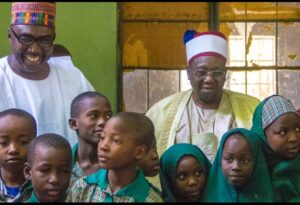
In Nigeria, education isn’t just a route to progress it’s a battleground where children’s rights, futures, and safety are constantly at risk. While national debates often center around economic or political issues, there is a more subtle yet critical struggle to ensure that every Nigerian child can access a safe and quality education. This ongoing fight involving local communities, teachers, parents, NGOs, and the children themselves needs more attention and action.
A Dual Reality: Promise and Challenges
Nigeria has one of the largest youth populations globally, with millions of children of school age. Education offers a means to break free from poverty, unlock economic opportunities, and strengthen democratic participation. However, significant obstacles remain, preventing children from realizing this potential.
1. Limited Access and Infrastructure
In many parts of the country, especially in rural or underserved urban areas, schools are either lacking or poorly equipped. Overcrowded classrooms, a lack of learning materials, and long, unsafe commutes to school create a challenging environment for children and families. This lack of basic infrastructure makes education a daunting task for those hoping for a better future.
2. Safety Concerns
The safety of children as they pursue education is a major issue:
- Kidnapping and insecurity: Some regions face the terrifying reality of armed groups abducting students, leading to school disruptions and a climate of fear among families.
- Physical punishment and bullying: Despite policies against corporal punishment, many students still endure harsh treatment, discouraging them from attending school.
- Gender-based violence: Girls face particular risks, including harassment, early marriage pressures, and cultural barriers that force them out of school.
These issues often go unnoticed in official statistics but deeply affect children’s education and well-being.
Economic Barriers
While education is meant to be compulsory from ages 6 to 15, economic difficulties make it difficult for many families to afford the necessary costs including tuition, uniforms, books, and transport. For families who depend on every member working to make ends meet, sending a child to school is often seen as a luxury. This reality leads to high dropout rates and leaves many children without the education they deserve.
Inequality and Exclusion
Certain groups of children face even greater challenges:
- Children with disabilities often don’t have access to appropriate facilities or trained teachers.
- Children from poor backgrounds are often stuck in underfunded schools with few resources.
- Nomadic and displaced children face difficulties enrolling in schools due to instability and lack of permanent education structures.
These inequalities create a fragmented education system, where opportunities are far from equal.
Hope in Action: Voices of Change
Despite these challenges, many Nigerians are stepping up to protect and promote education for their children:
- Community Efforts
In several local areas, when government support is lacking, community leaders, teachers, and parents create their own educational solutions. These grassroots efforts keep children in school and foster a sense of collective responsibility for education.
Non-Governmental Support
NGOs play a crucial role in:
- Offering scholarships and educational supplies
- Training teachers in child-focused and inclusive methods
- Supporting children who have faced trauma with psychological care
- Advocating for safer schools and better policies
These organizations help reinforce the idea that education is a fundamental right for every child.
Innovative Educational Models
Across Nigeria, educators are trying creative solutions mobile learning initiatives, community libraries, and mentorship programs to keep children engaged and help them overcome barriers to education.
What Needs to Change
The ongoing struggle to protect Nigerian children’s education requires collective effort. Key priorities for action include:
- Ensuring Safety
Protecting schools from violence and abductions
Making travel routes to school safer
Implementing anti-bullying and child protection measures
- Strengthening Infrastructure and Teacher Support
Building and improving school facilities
Providing essential learning materials
Expanding teacher training, especially in underserved areas
- Making Education Affordable
Reducing hidden costs that prevent children from attending school
Providing greater financial support to low-income families
Encouraging community-based initiatives that support school attendance
- Promoting Inclusion
Ensuring children with disabilities are welcomed into schools
Facilitating the education of displaced or nomadic children
Implementing gender sensitive policies that help girls stay in school
Securing the Nation’s Future
Education is not just about academic knowledge it’s a vital tool for preventing inequality and ensuring societal progress. The ongoing struggle to protect Nigeria’s children is a fight for the nation’s future. It demands compassion, commitment, and a focus on long term solutions over short term political gain.
To secure a prosperous future for Nigeria, it’s essential that every child not only has the right to go to school but also feels safe, supported, and encouraged to learn. By protecting education, Nigeria is safeguarding its own future.