Council Advocates for Stronger Stakeholder Cooperation to Boost Maritime Education
Council Advocates for Stronger Stakeholder Cooperation to Boost Maritime Education

The [Nigerian Maritime Administration and Safety Agency (NIMASA)] has called on all stakeholders in the maritime sector to enhance collaboration to strengthen the quality and impact of maritime education in Nigeria. The agency emphasized that effective partnership between government bodies, educational institutions, and industry players is essential to developing a skilled workforce capable of meeting the demands of the nation’s expanding maritime industry.
The Significance of Maritime Education
Maritime education plays a critical role in preparing a competent workforce for the shipping and maritime industry. It provides students and professionals with the technical knowledge and practical skills needed in areas such as navigation, marine engineering, ship management, logistics, and maritime safety. Strengthening maritime education ensures Nigeria’s competitiveness in global shipping and promotes efficiency, innovation, and safety in the sector.
Need for Stakeholder Collaboration
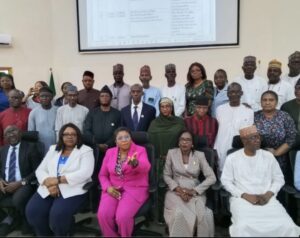
Officials at a recent maritime forum stressed that closer collaboration among universities, polytechnics, maritime training centers, regulatory agencies, and private-sector companies is key. By sharing expertise, resources, and industry insights, stakeholders can align educational programs with international standards and industry requirements.
Such cooperation also creates opportunities for internships, practical training, and research partnerships, equipping graduates with the skills and experience necessary to contribute effectively to both national and global maritime operations.
Advantages of Effective Collaboration
- Enhanced Curriculum Relevance: Aligning academic programs with industry needs ensures graduates are ready for the workforce.
- Research and Innovation: Collaborative projects foster technological advancements and new solutions in maritime operations.
- Workforce Readiness: Students gain practical exposure and hands-on experience in real-world maritime activities.
- International Competitiveness: A skilled maritime workforce strengthens Nigeria’s standing in global shipping.
Strategies for Implementation
To achieve productive stakeholder synergy, the council recommends:
- Frequent Industry-Academia Dialogues: Promote ongoing communication and knowledge exchange.
- Formal Partnerships (MoUs): Establish agreements between maritime institutions and private companies.
- Resource Sharing: Allow access to training facilities, simulators, and vessels for hands-on learning.
- Supportive Policies: Government frameworks should encourage sustained cooperation among all stakeholders
The council’s emphasis on stakeholder collaboration highlights the importance of a coordinated approach to maritime education. By fostering strong partnerships among government, academia, and industry, Nigeria can cultivate a highly skilled and innovative maritime workforce. Such synergy not only benefits students but also contributes to the growth and global competitiveness of the nation’s maritime sector.