Lagos Launches a New Educational Pathway for Girls

Lagos State has strengthened its efforts to keep girls in education by providing a dedicated alternative learning environment for young women whose schooling has been interrupted.
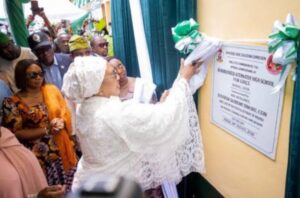
The Alternative High School for Girls in Agboju, Amuwo-Odofin, has recently undergone major rehabilitation and is being positioned as a second-chance education facility for girls who have been unable to continue through the conventional school system.
Creating a Second Opportunity
The school is designed to support girls who have left school because of circumstances such as teenage pregnancy, early marriage, financial hardship, displacement and family responsibilities.
Rather than allowing these challenges to permanently end their education, the programme gives students an opportunity to return to learning, complete their secondary education and develop skills that can support their future.
The idea reflects a growing understanding that leaving school should not necessarily close the door to further education.
Combining Education With Practical Skills
The school goes beyond conventional classroom learning by combining academic subjects with vocational training.
Its facilities include classrooms and spaces for subjects such as physics, biology and agriculture. Students can also receive practical training in areas including:
Hairdressing
Fashion and garment making
Catering
Cosmetology
Home economics
Other vocational skills
The institution also provides access to library and information and communication technology facilities.
This combination allows students to pursue academic qualifications while developing practical abilities that could support employment or entrepreneurship.
Helping Girls Overcome Educational Barriers
For some young women, dropping out of school is the result of circumstances beyond their control.
Financial difficulties, pregnancy, family responsibilities and displacement can all interrupt a student’s education.
An alternative school can provide a more flexible route back into learning for girls who may find it difficult to return to a conventional secondary school.
The programme therefore serves not only as an educational institution but also as a pathway toward rebuilding opportunities that may have been lost.
The School Has a Longer History
Although the recent rehabilitation has brought renewed attention to the institution, the Alternative High School for Girls in Agboju was originally established in 2007.
Its original objective was to provide educational and vocational opportunities for girls whose schooling had been disrupted, particularly because of pregnancy and socioeconomic difficulties.
The latest investment in the facility gives the initiative improved infrastructure and the potential to serve more students.
Plans to Expand the Programme
The initiative is also expected to extend beyond Agboju.
Another Alternative High School for Girls is being developed in Ikorodu, with the broader ambition of having an alternative school serving each of Lagos State’s three senatorial districts.
Such expansion could make second-chance education accessible to girls in more parts of the state.
Why the Initiative Is Important
Providing another route into education can have long-term benefits for young women.
Education can improve access to employment, entrepreneurship and further studies. Vocational training can also give students practical skills that may help them become financially independent.
For girls who have experienced circumstances that disrupted their education, returning to school can also provide a renewed sense of confidence and purpose.
Part of a Broader Education Effort
The Lagos initiative is part of a wider conversation about alternative education in Nigeria.
Other states have also introduced or supported programmes aimed at helping girls and young people who have been excluded from conventional schooling.
These initiatives recognize that Nigeria’s education system needs different pathways to accommodate students facing different social and economic circumstances.
What Comes Next?
The success of the programme will depend on more than renovated buildings.
Qualified teachers, adequate learning materials, reliable funding, effective student support and outreach to girls who need the programme will all be important.
Ensuring that students have opportunities to continue into higher education, vocational training or employment after completing the programme will also strengthen its long-term impact.
Conclusion
Lagos’ investment in alternative education for girls represents an important effort to ensure that disrupted schooling does not permanently limit a young woman’s future.
By combining academic education with vocational training, the programme gives students an opportunity to return to learning while developing practical skills.
The initiative sends an important message: leaving school because of difficult circumstances does not have to mean giving up on education or future opportunities.