
2030 Universal Education Goal No Longer Achievable — UNESCO
2030 Universal Education Goal No Longer Achievable — UNESCO

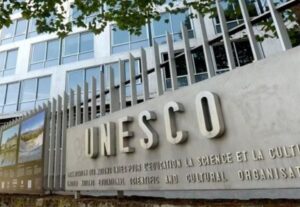
A recent report from UNESCO warns that the global ambition of achieving universal education by 2030 is now unlikely to be met. Despite being a key part of the Sustainable Development Goals (SDG 4), progress around the world has been too slow to ensure that every child and young person receives quality education by the target year.
Global Education Progress Falling Behind
UNESCO’s latest global monitoring data shows that the world is significantly behind schedule. Hundreds of millions of children are still not in school, while many who are enrolled are not gaining basic literacy and numeracy skills. Estimates indicate that over 270 million children and young people remain out of education systems worldwide.
The report further notes that even with current policies fully implemented, universal access and completion of primary and secondary education by 2030 will still not be achieved.
Reasons for the Delay
Uneven Development
Education progress varies widely across regions. While some countries have improved enrollment rates, many low-income and conflict-affected areas continue to face major barriers such as poor infrastructure, lack of teachers, and limited access to schools.
Learning Challenges
A major concern is that schooling does not always translate into learning. Many students struggle to meet basic standards in reading and mathematics, showing that improving access alone is not sufficient without quality education.
Insufficient Funding
UNESCO highlights a significant shortage in education funding. Many governments are unable to invest enough in school expansion, teacher training, and learning resources, which slows down overall progress.
Effects of Global Disruptions
Events such as the COVID-19 pandemic worsened the situation by increasing dropout rates and reducing learning opportunities, especially in poorer regions.
Key Observations from UNESCO
- The world is not on track to achieve SDG 4 by 2030
- Large numbers of children remain outside formal education systems
- Many students in school are not achieving minimum learning standards
- No region is fully on course for universal secondary education completion
What This Means Going Forward
UNESCO cautions that failure to close the education gap will have long-term consequences for global development, including higher inequality, reduced economic opportunities, and persistent poverty.
However, the report also stresses that improvement is still possible if countries increase investment in education, strengthen policies, and focus on reaching disadvantaged communities.
UNESCO’s findings show that the goal of universal education by 2030 is now out of reach under current conditions. While some progress has been made, it is not happening quickly enough. The next few years will be crucial in deciding whether global education systems can recover momentum or fall permanently short of this major target.