
Flipped Classroom: Benefits and Drawbacks

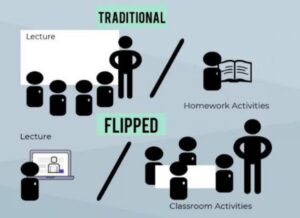
The flipped classroom is a modern teaching method that inverts the traditional learning process. Instead of learning new material during class and doing assignments at home, students first study instructional content like videos, readings, or online lectures on their own. Classroom time is then dedicated to interactive exercises, discussions, and problem-solving. While this approach has gained popularity, it offers both advantages and disadvantages for teachers and learners.
Benefits of the Flipped Classroom
- Active Engagement
With lectures moved outside class, students can use in class time to actively participate in discussions, collaborate with peers, and solve problems, fostering deeper understanding. - Learning at Your Own Pace
Students can revisit videos and resources as needed, which allows them to learn at a pace that suits their individual needs. - Improved Teacher Student Interaction
Class time is focused on guidance and support, giving teachers opportunities to clarify concepts, assist struggling students, and facilitate meaningful activities. - More Effective Use of Class Time
Interactive sessions replace traditional lectures, allowing for hands-on learning and increased engagement. - Promotes Self-Directed Learning
Students are encouraged to take responsibility for their own education, enhancing self-motivation and time-management skills.
Drawbacks of the Flipped Classroom
- Access and Technology Challenges
Some students may lack reliable internet or devices to access materials outside the classroom, creating inequality. - Higher Preparation Demands on Teachers
Creating quality video lessons and designing interactive class activities can require significantly more time and effort than traditional teaching. - Student Resistance
Some learners may prefer conventional lectures or struggle with self-directed study, which can reduce engagement. - Increased Student Workload
Completing pre class preparation may feel time consuming, potentially leading to fatigue if not balanced properly. - Reliance on Student Responsibility
The model depends on students completing pre-class work; if they do not, in-class activities may be less effective.
Conclusion
The flipped classroom offers a shift toward a more student-centered, interactive learning experience. It encourages engagement, critical thinking, and collaboration while allowing learners to study at their own pace. However, it also poses challenges, including technology access, increased teacher workload, and the need for student accountability. Effective implementation requires careful planning and support to ensure that the benefits outweigh the drawbacks.