
Conflicts in the Middle East Interrupt Education for 52 Million Children
Conflicts in the Middle East Interrupt Education for 52 Million Children

Persistent conflicts and instability across the Middle East are disrupting the education of about 52 million children, sparking serious concern among humanitarian organizations about the future of millions of young people in the region.
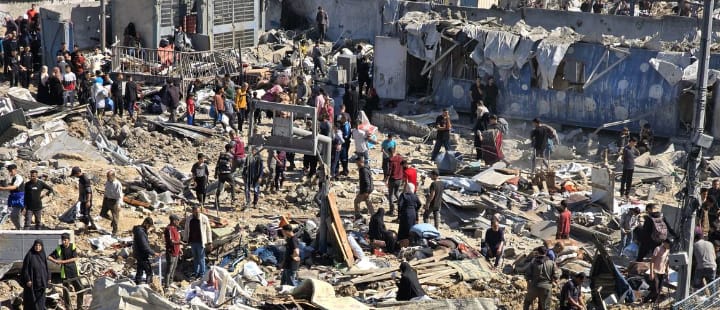
Prolonged wars, displacement, and political unrest in several Middle Eastern countries have left many children unable to attend school. Numerous educational facilities have been damaged or destroyed, teachers have been forced to relocate, and families have fled their homes to escape violence.
Aid agencies report that children living in conflict-affected areas face significant challenges in accessing education. In many places, school buildings are no longer functioning as learning centers, having been converted into shelters for displaced people or damaged by ongoing fighting.
Economic difficulties are also worsening the situation. Families struggling with poverty often cannot afford school supplies, transportation, or other educational expenses. In some cases, children are compelled to work to support their households, preventing them from continuing their studies.
Experts warn that extended breaks from schooling can have serious long-term effects. Children who remain out of school for long periods are more vulnerable to child labor, early marriage, and other forms of exploitation. The lack of education could also weaken the region’s future workforce and slow down development.
International organizations and humanitarian groups are trying to address the problem by setting up temporary learning centers, offering remote education programs, and providing psychological support for children affected by conflict. However, reaching all those in need remains difficult due to security risks and limited funding.
Advocates emphasize that safeguarding education during times of conflict is essential. They argue that schools provide more than academic knowledge—they offer stability, protection, and hope for children growing up in crisis environments.
With conflicts still ongoing in parts of the Middle East, experts are calling for stronger global support to ensure that millions of children do not permanently lose access to education. Without urgent intervention, the region could face a deepening education crisis that affects generations to come.