
UBEC Pledges Quality Basic Education for Every Nigerian Child by 2030
UBEC Pledges Quality Basic Education for Every Nigerian Child by 2030

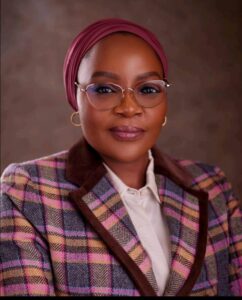
The Executive Secretary of the Universal Basic Education Commission (UBEC), Dr. Aisha Garba, has reaffirmed the federal government’s commitment to ensuring that every Nigerian child has access to quality basic education by 2030. Her statement underscores Nigeria’s focus on leaving no child behind in foundational learning.
A Goal of Inclusion and Equity
Dr. Garba described her vision as a country where all children, regardless of gender, location, or economic background, attend school and learn in safe, supportive environments. This ambition aligns with the Sustainable Development Goal (SDG 4), which promotes inclusive and equitable education worldwide. She emphasized that reducing the number of out of school children, particularly in northern regions, is a top priority.
The Challenge Ahead
Millions of Nigerian children are still out of school due to poverty, insecurity, inadequate facilities, and cultural barriers, especially affecting girls. UBEC aims to address these issues through more targeted strategies to increase enrollment, improve retention, and enhance learning outcomes.
Key Initiatives and Partnerships
UBEC plans to achieve this through collaborations with state governments, local authorities, and development partners. Major initiatives include:
The LUMINAH 2030 Programme, which seeks to provide one million marginalized girls with education, skills, and community support by 2030.
Teacher development grants, funding training programs to improve teaching quality nationwide.
Digital literacy partnerships with agencies like NITDA, preparing students for a technology-driven future.
Inclusive education measures, including sign language integration to support children with disabilities.
These measures focus on both access and quality, ensuring that resources lead to tangible improvements in classrooms.
Focusing on Learning and Safety
Dr. Garba stressed that true success will be measured not just by enrollment but by actual learning outcomes and safe school environments. UBEC is working with security agencies and other stakeholders to protect students, especially in areas prone to conflict.
A Shared Responsibility
The Executive Secretary called on federal, state, and local governments, as well as parents and community leaders, to actively support this mission. She emphasized that providing quality basic education is a collective responsibility requiring cooperation and investment at every level.
Looking Ahead to 2030
With these strategies, Nigeria aims to transform basic education and give every child a strong foundation for future success. While challenges remain, UBEC’s initiatives under Dr. Garba’s leadership offer a roadmap toward inclusive, high-quality education for all Nigerian children by 2030.