
UNICEF Collaborates with Federal Government of Nigeria to Strengthen Girls’ Education
UNICEF Collaborates with Federal Government of Nigeria to Strengthen Girls’ Education

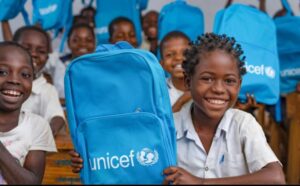
In a continued effort to enhance educational opportunities, UNICEF has joined forces with the Federal Government of Nigeria to tackle the ongoing challenges affecting girls’ education across the country. The initiative is focused on lowering the number of out of school children especially girls while improving the quality, safety, and inclusiveness of education nationwide.
Confronting a Major Educational Gap
Nigeria has one of the largest populations of out of school children globally, with girls making up a significant portion due to poverty, early marriage, cultural practices, insecurity, and limited school facilities. In many northern communities, economic hardship and traditional beliefs often prevent girls from accessing consistent schooling.
Through this collaboration, both partners are introducing targeted strategies to remove these obstacles and create supportive environments where girls can thrive academically.
Strategic Focus Areas
1. Increasing Enrollment and Retention
The partnership prioritizes boosting school attendance among girls, particularly in rural and conflict affected areas. Efforts include constructing and renovating classrooms, supplying educational materials, and offering alternative learning programs for children who have been excluded from formal education.
2. Ensuring School Safety
Insecurity remains a pressing issue in certain regions. UNICEF supports government-led school safety programs by training teachers, providing psychosocial care, and mobilizing communities to safeguard children especially girls from violence and abuse.
3. Community Engagement and Advocacy
Public awareness campaigns are helping challenge gender biases that limit girls’ education. Religious and traditional leaders are actively involved in encouraging families to recognize the long term benefits of educating their daughters.
4. Reducing Financial Barriers
Scholarships and conditional cash transfer programs are being promoted to ease the financial burden on families. These initiatives help curb early marriage and child labor, which frequently disrupt girls’ schooling.
Improving Education Systems
Beyond direct interventions, UNICEF is working with education authorities to enhance data collection, planning, and resource allocation. Strengthening education management systems ensures that policies are evidence-based and that investments effectively reach underserved communities.
Building a More Equal Future
This partnership underscores a shared commitment to gender equality and sustainable development. Educating girls not only empowers individuals but also contributes to economic growth, better health outcomes, and stronger communities.
By combining national leadership with UNICEF’s global expertise, Nigeria is making meaningful progress toward ensuring every girl has access to quality education and the opportunity to fulfill her potential. Continued commitment and community support will be vital in sustaining these gains.