Nigeria Government Strengthens Early Childhood Education with Increased Funding
Nigeria Government Strengthens Early Childhood Education with Increased Funding

Nigeria has taken a significant step toward improving its education system by increasing funding for early childhood education, a move aimed at expanding access, enhancing quality, and laying a stronger foundation for young learners across the country.
The initiative, supported by the Federal Ministry of Education Nigeria and implemented in collaboration with the Universal Basic Education Commission (UBEC), focuses on improving pre-primary schooling for children aged three to five.
Expanding Access and Infrastructure
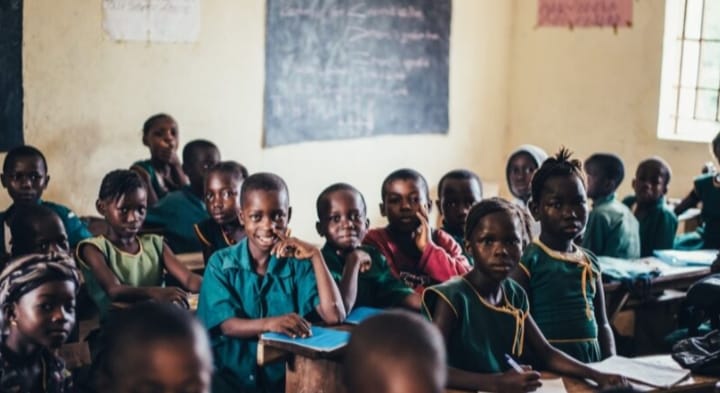
With the additional funding, more early learning centres are expected to be built and existing facilities upgraded, particularly in underserved rural and low-income communities. The investment also seeks to provide age appropriate learning materials, safer classrooms, and improved sanitation facilities.
Education officials say the goal is to ensure that more Nigerian children begin primary school with essential literacy, numeracy, and social skills already in place.
Teacher Training and Quality Improvement
A major portion of the funding will go toward training and recruiting qualified early childhood educators. By strengthening teacher preparation programs and offering professional development opportunities, authorities hope to improve classroom delivery and child-centered learning practices.
Experts have long emphasized that quality early childhood education significantly enhances long-term academic performance and reduces dropout rates. The government’s renewed commitment signals recognition of this critical stage in child development.
Closing Regional Gaps
Nigeria faces significant disparities in school enrollment between urban and rural areas, as well as between different regions. Increased funding is expected to help close these gaps by supporting community-based programs and encouraging greater enrollment of girls and vulnerable children.
International development partners have also welcomed the move, describing it as a key step toward achieving Sustainable Development Goal 4, which promotes inclusive and equitable quality education for all.
A Long-Term Investment
By prioritizing early childhood education, Nigeria is investing in the future productivity and well-being of its population. Policymakers argue that strengthening education at the earliest stage will yield long-term social and economic benefits, from improved employment outcomes to reduced poverty levels.
As implementation progresses, attention will turn to accountability and measurable outcomes. If effectively managed, the increased funding could mark a turning point in Nigeria’s effort to build a more inclusive and resilient education system starting with its youngest learners.